
Summary
Press releases and blog posts each play a different role in building brand visibility for Bolton businesses. Blog posts create long-term search visibility by answering customer questions and supporting local SEO, while press releases earn independent media coverage when there is genuine news to share. Used together, alongside a well-managed Google Business Profile, they strengthen both online authority and local credibility.
Key Takeaways
- Press releases and blog posts do different jobs: one earns third-party attention when there’s real news, the other builds lasting search demand by answering customer questions
- For most Bolton businesses, blog posts are the more reliable long-term route to ranking for local and service-led searches
- Google’s own guidance says local visibility depends mainly on relevance, distance and prominence, with links and reviews feeding into that prominence score
- Press-release links stuffed with keyword anchor text can trip Google’s spam policies rather than help rankings
- Neither format replaces the basics of a well-run Google Business Profile with accurate details and genuine reviews
Bolton business owners often ask whether they should be writing blog posts or chasing press coverage. The honest answer is that both have a job to do, and confusing the two usually wastes time and money.

Two Tools, Two Different Jobs
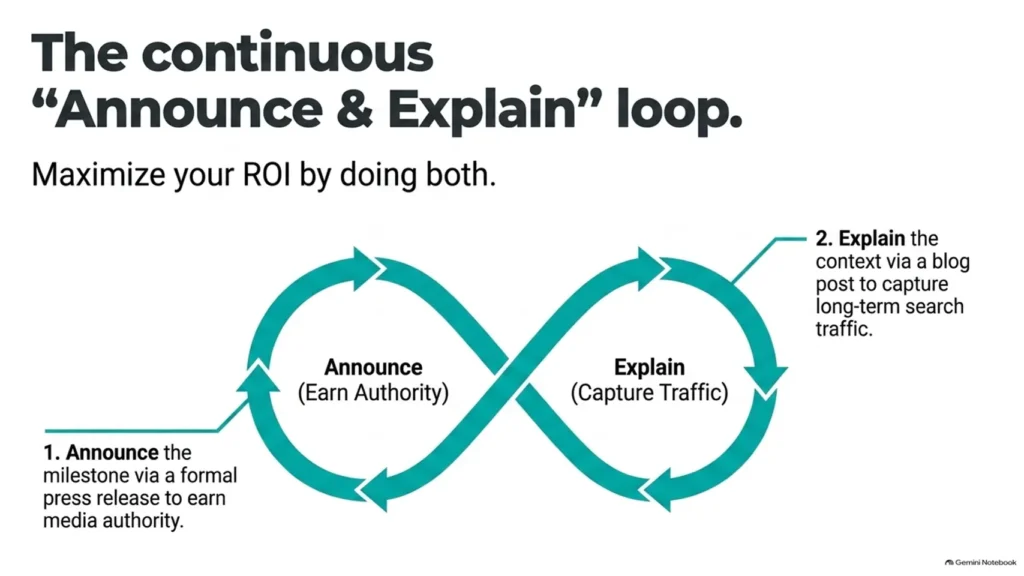
A press release is a formal announcement, written for journalists and organisations, designed to earn coverage when something genuinely newsworthy happens. A blog post is a piece of owned content, written directly for customers, designed to answer the questions they type into Google long after the news has faded. Treating either one as a like-for-like substitute for the other tends to leave gaps in a business’s visibility.
West Pro Media Services, a Bolton-based digital marketing consultancy, works with small and medium-sized businesses across Greater Manchester on exactly this problem, helping them build content that supports both search visibility and credibility. The advice is consistent: think about what each format earns, not just what it publishes.
What Each Format Is Actually For
Press Releases: Earning Third-Party Attention
A press release exists to give a journalist, local publication, partner organisation or industry body a credible reason to mention the business. That might be a genuine opening, a significant investment, a partnership with a Bolton school or charity, original research with a clear method, or a milestone backed by real evidence. The release itself rarely does the work; the coverage it generates does.
Blog Posts: Building Durable Search Demand
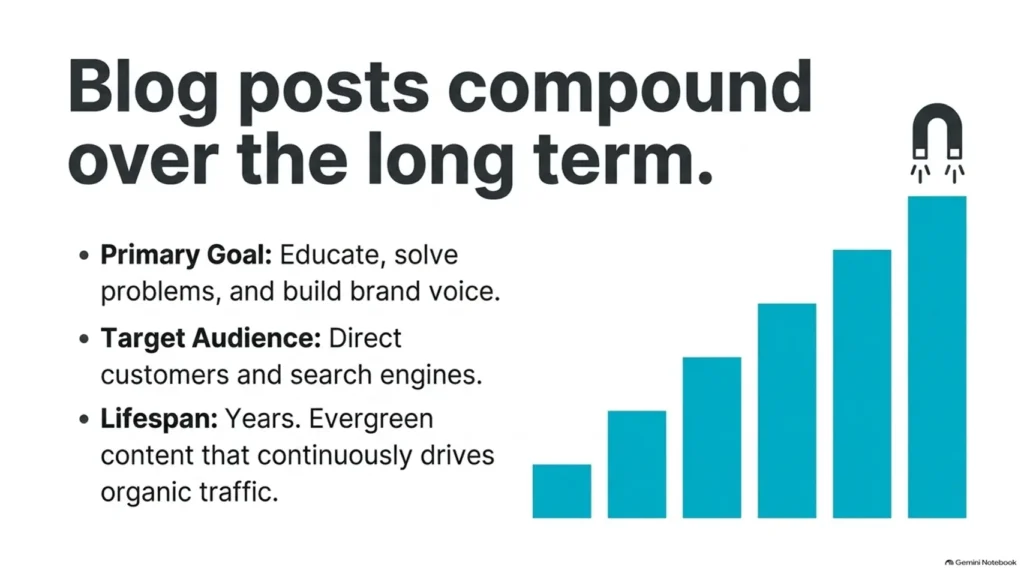
A blog post exists to answer a real question a prospective customer is likely to search for, such as how much a service costs in Bolton, how to choose a provider, or what to expect from a particular process. Done well, this content keeps working for years, gradually building trust and generating enquiries long after publication.
How Google Judges Local Visibility
Relevance, Distance and Prominence Explained
Google’s guidance on local ranking explains that local ranking is shaped mainly by relevance, distance and prominence. Relevance depends on how well a business profile matches what someone is searching for. Distance reflects how close the searcher is to the business or the area they’ve specified. Prominence draws on wider signals, including reviews, links and general awareness of the business across the web. Blog posts tend to support relevance and prominence over time; press coverage tends to support prominence when it’s genuinely earned.
The Anchor-Text Link Trap in Press Releases
Google’s spam policies documentation flags a specific risk: links using optimised anchor text, placed in articles, guest posts or press releases distributed on other sites purely to pass ranking credit. A release stuffed with phrases like “best plumber in Bolton” repeated as link text signals exactly the pattern search engines are built to spot and discount, rather than improving rankings. The value of a release comes from the coverage it earns, not the links it carries.
What Makes a Blog Post Actually Rank
A blog post is more likely to earn rankings and conversions when it shows genuine search-intent fit, meaning it answers the actual question behind the search rather than forcing in a sales pitch. Beyond that, several qualities matter:
- Original local experience, drawing on real examples, processes and photographs rather than generic filler
- Topical depth, where a cluster of related guides and FAQs supports each other rather than standing alone
- Clear structure, with a descriptive title, one main heading and scannable subheadings
- Internal links pointing to relevant service pages using natural anchor text
- Freshness where the topic demands it, such as pricing or regulation-related content
- Technical accessibility, so pages are indexable, mobile-friendly and free of accidental blocks
Google’s Search Essentials documentation recommends helpful, people-first content that uses the language searchers actually type, which supports each of these points.
What Makes a Press Release Worth Pitching
Before drafting a release, it’s worth asking a blunt question: would an independent local editor care about this without being paid to? If the answer is genuinely yes, a strong release includes a factual headline, the key facts in the first paragraph, a credible quote from a named spokesperson, and supporting proof such as data, images or a method statement. Vague company updates or minor page launches rarely clear that bar, and pushing them out anyway tends to be ignored by the outlets that matter.
Common Mistakes Bolton Businesses Make
Blog Post Pitfalls
A frequent mistake is publishing near-identical “service in Bolton” pages with only the place name swapped, or writing every article as a sales pitch rather than solving a real customer problem. Letting useful guides go stale, particularly pricing or process content, also quietly erodes trust over time.
Press Release Pitfalls
On the release side, the most common error is dressing up routine updates as news. A new webpage, a minor staff change or a generic “delighted to announce” statement rarely interests a journalist. Inflated claims such as “leading” or “award-winning” without evidence, and exact-match anchor text repeated across distributed copies, tend to do more harm than good.
Why Neither Replaces Your Google Business Profile
Neither a blog post nor a press release substitutes for the fundamentals of local search. A correct, complete Google Business Profile with current hours, accurate categories, genuine photos and a steady flow of honest reviews remains the foundation most Bolton businesses are judged against first. Content and coverage add to that foundation; they don’t replace it.
Choosing the Right Tool for the Moment
A useful rule of thumb: if a customer keeps asking the same question, that’s blog territory. If the business has genuinely done something worth telling a journalist about, that’s press release territory. A business opening a new Bolton site or completing original local research has a real story; a business simply refreshing its website usually doesn’t.
Both Belong in a Complete Strategy
The strongest local visibility strategies don’t pick a side. Blog content builds a library of owned, evergreen answers that keep earning search traffic, while genuinely newsworthy press releases add external credibility and independent mentions that a business can’t manufacture on its own site. Used together, with a properly maintained Google Business Profile underneath them, they cover the gaps either one leaves alone. For businesses working out where to start, it’s worth considering content marketing services in Bolton that combine both approaches into one coherent plan.
| Topic / Area | Key Finding | Business Impact | Why It Matters |
|---|---|---|---|
| Local search visibility | Google prioritises relevance, distance and prominence | Complete profiles improve local-search eligibility | Strong foundations outperform isolated content activity |
| Google Business Profile | Accurate details and reviews support visibility | Better trust at enquiry stage | Profiles often shape customers’ first impression |
| Blog content strategy | Helpful, people-first answers support durable discovery | Builds qualified traffic over time | Targets recurring service and buying questions |
| Press-release links | Optimised syndicated anchor text risks spam classification | Avoids wasted spend and ranking risk | Earned coverage matters more than distribution volume |
| Newsworthiness threshold | Independent outlets need a credible story | Focuses PR effort on stronger opportunities | Genuine launches, research and partnerships earn attention |
Frequently Asked Questions
Should a Bolton business publish blog posts or press releases first?
For most Bolton businesses, start with blog posts if customers regularly search for answers about your services, prices, locations or processes. Use press releases selectively when you have genuine news, such as a launch, partnership, investment, research finding or community initiative.
Do press releases still help SEO in 2026?
Press releases can help indirectly when they earn credible editorial coverage, brand mentions and referral traffic. They are not a reliable shortcut to rankings, especially when syndicated releases use repetitive keyword-rich links. Focus on a newsworthy story and earned coverage, not link volume.
What blog topics are most likely to attract local customers in Bolton?
Prioritise questions prospective customers ask before enquiring: typical costs, choosing a provider, service timelines, common problems, local regulations and what to expect. Add Bolton-specific expertise only where it is genuinely useful, rather than inserting the town name into generic articles.
How often should a small business publish blog content?
Consistency matters more than chasing an arbitrary weekly target. A well-researched, useful article each month can outperform frequent thin posts. Build content around recurring customer questions, update time-sensitive pages when details change, and connect relevant articles to your core service pages.
Can blog posts and press releases improve Google Business Profile rankings?
They can support visibility, but neither directly replaces Google Business Profile management. Accurate categories, current contact details, opening hours, photographs and genuine customer reviews remain essential. Helpful content can strengthen relevance, while independent coverage may add prominence and wider local awareness.
