
Is content distribution worth it for small businesses?

Yes, content distribution is worth it for small businesses because it helps every piece of content reach a wider audience, generate more enquiries and deliver a better return on your marketing investment. By consistently distributing and repurposing content across multiple channels, small businesses can build authority, increase visibility and compete more effectively without continually creating new content.

Key Takeaways

  • Content marketing generates over 3x more leads than outbound marketing at 62% lower cost – making distribution a smart investment, not just an added task.
  • Most small businesses lose value by creating content without a distribution plan; the “publish and hope” approach rarely produces growth.
  • A three-channel framework – owned, earned, and paid media – gives small businesses a practical structure for reaching the right audience consistently.
  • Repurposing a single piece of content across multiple formats and platforms is one of the most effective ways to stretch a limited marketing budget.
  • Strategic content distribution, done with a plan and the right tools, can turn every blog post or video into a compounding lead generation asset.


Every small business owner knows the feeling: you spend hours crafting a blog post or filming a video, hit publish – and then nothing happens. No traffic surge. No leads. Just silence. The problem usually is not the content. It is what happens (or does not happen) after it goes live.

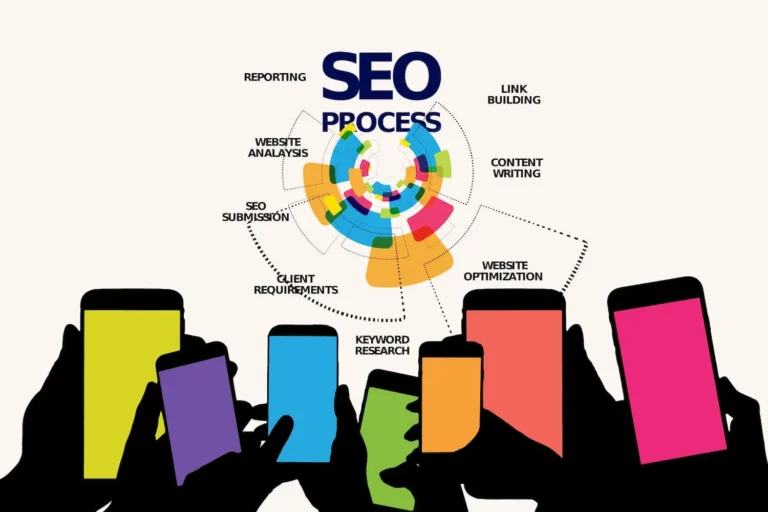
Is content distribution worth it for small businesses? Content marketing strategy driving enquiries through consistent distribution and audience engagement.

Most Small Businesses Waste Their Best Content

Content creation takes real time and real money. Yet for most small businesses, that investment stops the moment the publish button gets clicked. The content sits on a website, maybe gets shared once on social media, and then quietly disappears into the archive. That is not a content problem – it is a distribution problem.

The businesses that consistently grow through content are not necessarily creating more of it. They are getting more mileage out of what they already have by actively pushing it in front of the right audiences, across the right channels, at the right time. This is the core idea behind strategic content distribution, and it is the difference between content that costs money and content that makes money. West Pro Media Services addresses exactly this gap with their content multicasting service, built around getting content working harder across multiple channels simultaneously.

The Real Cost Gap: Content vs. Outbound

One of the strongest arguments for investing in content distribution is the numbers. Traditional outbound marketing – cold calls, display ads, direct mail – costs significantly more per lead than content-driven approaches. The math is not even close.

62% Less Per Lead, 3x More Results

Content marketing is widely reported to generate more than three times as many leads as outbound marketing, while costing 62% less per lead. For a small business operating with a lean budget, that is not a minor efficiency gain – it is a fundamental shift in what is possible. The goal becomes spending smarter to reach the right people, rather than spending more to reach more people.

The compounding effect matters here too. Unlike a paid ad that disappears the moment the budget runs out, a well-distributed piece of evergreen content can keep driving traffic and leads for months – or years – after it is first published.

Email ROI That Outperforms Almost Everything

Email remains one of the highest-ROI channels available to small businesses, with reported returns of $36 to $42 for every $1 spent. It is also used by 81% of small businesses as their primary customer acquisition channel – a stat that underscores how direct, owned communication consistently outperforms passive reach. When content is distributed through email with intention and segmentation, it does not just get seen – it gets acted on.

Ready to Increase Your Online Visibility?

Owned, Earned, and Paid: Your Three-Channel Framework

A solid distribution strategy does not require a large team or a massive ad budget. It requires understanding three types of channels and how they work together.

Owned Media: Control Your Narrative

Owned media includes everything a business controls directly – the website, blog, email newsletter, and social profiles. These channels are the foundation of any distribution strategy because they allow businesses to build direct relationships with their audience without depending on a third-party platform’s algorithm. A well-maintained blog and email list are assets that grow in value over time and cannot be taken away by a platform policy change.

Earned Media: Let Others Amplify You

Earned media is what happens when others talk about a business – shares, mentions, reviews, backlinks, and press coverage. It provides social proof that no amount of paid advertising can replicate. Earned media also contributes to higher search engine rankings, which means the benefits extend well beyond the initial mention. The key to earning it consistently is creating content genuinely worth sharing, then distributing it to the communities and people most likely to amplify it.

Paid Media: Instant Reach on Demand

Paid media – social ads, sponsored content, pay-per-click – offers something owned and earned channels cannot: speed. When a piece of content is already performing well organically, a small paid budget behind it can dramatically expand its reach to a precisely targeted audience. The smartest use of paid media for small businesses is not replacing organic efforts – it is accelerating them.

Repurposing Is the Small Business Equalizer

Small businesses cannot out-create large brands with dedicated content teams. Working smarter with existing material is where the real advantage lies.

One Asset, Many Touchpoints
Is content distribution worth it for small businesses? Strategic multi-channel marketing helping businesses increase visibility and generate more enquiries.A single well-researched blog post contains the raw material for a dozen pieces of content. That same article can become a short-form video, an email newsletter, a series of social media posts, a carousel, a podcast talking point, or a reply to a forum question. This approach – sometimes called content atomization – is how small businesses maintain a consistent presence without burning out their team or their budget.

The results speak for themselves: 70% of small business owners have repurposed content, with 49% reporting an 11-25% increase in engagement rates and 35% seeing an 11-25% lift in conversion rates as a direct result.

Where Repurposed Content Performs Best

Not all platforms are equal for repurposed content. According to surveyed small business owners, the most effective channels are TikTok (83%), Instagram (78%), and websites or blogs (75%). Short-form video in particular is emerging as one of the highest-ROI content formats, making it a natural destination for repurposed long-form material. The key is not to copy-paste the same post everywhere – it is to adapt the core message to fit the culture and format of each platform.

Distribution Without a Plan Still Fails

Having the right channels is not enough on its own. Without a documented plan, distribution becomes inconsistent, measurement becomes guesswork, and results become unpredictable.

The Biggest Mistake: Promotion as an Afterthought

The most common – and most costly – distribution mistake is deciding where content will go after it has already been created. When distribution is an afterthought, the content is rarely formatted correctly for each channel, the timing is off, and there is no measurement in place to learn from what works. Businesses with a documented content strategy consistently outperform those without one, which makes pre-planned distribution calendars one of the highest-leverage improvements a small business can make.

Other mistakes that quietly kill reach:

  • Posting identical messages across every platform without adapting tone, format, or framing to the audience.
  • Relying entirely on organic reach and ignoring email, partnerships, or even modest paid support.
  • Skipping analytics, which makes it impossible to identify what is working and what is worth doubling down on.
  • Failing to repurpose strong-performing content, effectively leaving value on the table after every publication.

Is content distribution worth it for small businesses? Content repurposing and multi-channel distribution improving marketing ROI and business growth.

Proof It Works: Real-World Results

The case for content distribution is not just theoretical. Dollar Shave Club – a startup at the time – generated 12,000 new customers and over 9.5 million views from a single $4,500 video. The video worked because it was strategically distributed across channels where the target audience already lived, not just uploaded and forgotten.

American Express’s OPEN Forum took a different approach, building a long-form content hub aimed specifically at small business owners. By consistently distributing valuable resources to a well-defined audience, the brand became a trusted authority in its space – generating community and loyalty that no ad campaign could replicate at the same cost.

For B2B businesses specifically, SEO-driven content strategies have been shown to deliver a 748% ROI over three years, with most content reaching positive ROI within 6-12 months of publication. That is not an overnight win – but it is a compounding one.

Stop Creating More – Start Distributing Smarter

The businesses seeing the best results from content are not publishing more frequently – they are distributing more intentionally. Every piece of content deserves a plan: which channels will carry it, how it will be adapted for each one, how it will be measured, and when it will be repurposed. That shift in thinking – from content creation to content distribution strategy – is what separates businesses that grow from those that stay stuck in the publish-and-hope cycle.

The economics are clear, the frameworks are proven, and the tools are accessible. For small businesses willing to invest in distribution as seriously as creation, content stops being a cost center and starts becoming one of the most efficient growth engines available.

To learn more about how West Pro Media Services helps businesses get more from their content through strategic multicasting and multi-channel distribution, visit westpromediaservices.com.

Topic / Area Key Finding Business Impact Why It Matters
Lead generation efficiency Content can generate 3x more leads than outbound, at 62% lower cost. Lowers acquisition costs and improves marketing ROI. Helps small businesses stretch limited budgets further.
Email distribution ROI Email still delivers about $36–$42 for every $1 spent. Strong returns from owned-audience distribution. Makes email one of the most reliable channels for conversions.
SMB channel preference 81% of SMBs still use email as a primary acquisition channel. Confirms email remains commercially relevant, not obsolete. Supports prioritising owned media in distribution plans.
Repurposing performance Repurposed content can lift engagement by 11–25% for many SMBs. Extends content lifespan without matching creation costs. Lets smaller teams publish more touchpoints from one asset.
Strategy and execution Documented content strategies consistently outperform ad hoc publishing.  Improves consistency, measurement, and lead quality. Reduces the “publish and hope” risk that weakens results.

Frequently Asked Questions

How much time should a small business spend on content distribution?

Small businesses should aim to spend at least as much time distributing content as creating it. A practical benchmark is a 50/50 split. For higher-impact pieces, distribution can take even longer, especially when repurposing across multiple platforms and formats.

Which channels should I prioritise first for content distribution?

Start with owned channels like your website and email list, then expand to 1–2 social platforms where your audience is most active. Focus beats spread. For many small businesses today, LinkedIn, Instagram, and short-form video platforms deliver strong early traction.

How do I know if my content distribution is actually working?

Track metrics tied to outcomes, not just visibility. Key indicators include website traffic, engagement rates, email click-throughs, and conversions. If content consistently drives enquiries or leads over time, your distribution strategy is working effectively.

Do I need paid ads for content distribution to work?

No, but they can accelerate results. Organic distribution builds long-term visibility and trust, while paid promotion helps amplify high-performing content quickly. Even a small, targeted budget can significantly extend reach when applied to proven content.

How often should I repurpose and re-share the same content?

Strong content should be reused multiple times over weeks or months. Update formats, angles, or hooks to keep it fresh. Many businesses underuse their best assets—consistent repurposing ensures valuable content continues generating engagement and leads over time.

Ready to Increase Your Online Visibility?