
Summary
Content distribution works best for most Wigan businesses when they combine in-house strategy and customer knowledge with outsourced specialist execution. Keeping brand direction and approvals internal while using external expertise for distribution, repurposing and promotion helps businesses maintain their authentic voice, reach a wider audience and generate better long-term marketing results.
Key Takeaways
- Content distribution rarely works well as an all-or-nothing choice between outsourcing and doing everything in-house
- Wigan business owners should keep strategy, customer knowledge and brand approval in-house, while handing specialist execution to outside support when capacity or expertise runs short
- SMEs make up the vast majority of UK businesses and generated £2.8 trillion in turnover in 2025, so time and budget pressures on distribution decisions matter more than they might first appear
- Common mistakes like publishing without a plan or measuring only vanity metrics can undo good content before it ever reaches the right audience
- A practical hybrid model is explained further down, including which tasks to keep close and which to hand over
Deciding how to get content in front of customers is one of the trickiest calls a small business owner in Wigan will make. Too many businesses treat it as a straight either/or decision, when the smarter route usually sits somewhere in the middle.
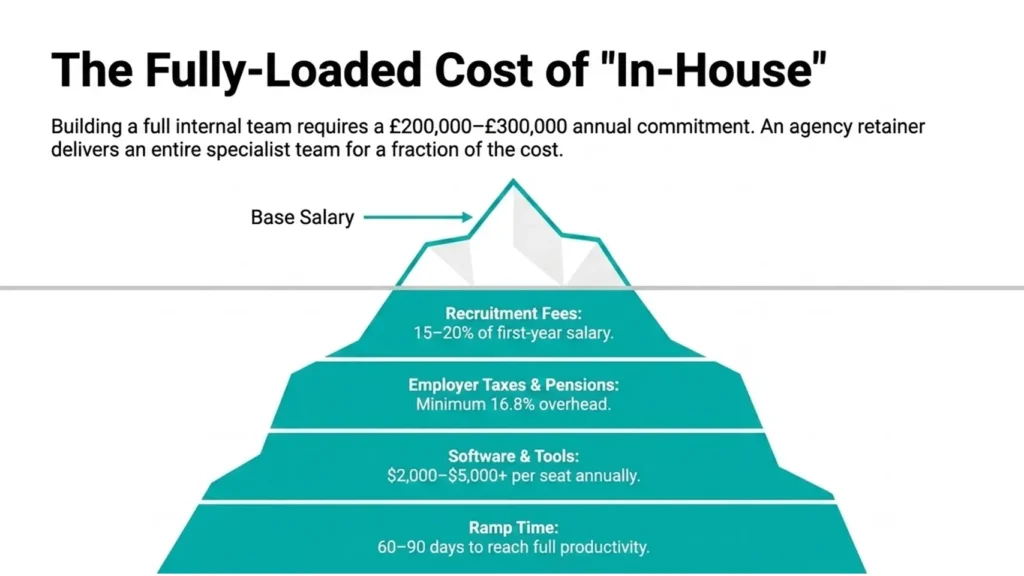
Most Wigan SMEs Need Both
There’s a strong case for saying this decision should rarely be all-or-nothing. Businesses in Wigan generally do best when they keep strategy, customer insight and approvals in-house, while outsourcing specialist distribution execution when consistency, channel expertise, or capacity become a bottleneck. West Pro Media Services, a Bolton-based consultancy working with businesses across the North West, offers multicasting support that helps companies get their content seen across several platforms at once, rather than relying on a single channel and hoping for the best.
SMEs make up the vast majority of the UK business population and generated £2.8 trillion in turnover in 2025, so the stakes attached to marketing decisions are far from trivial. Getting content distribution right can be the difference between steady enquiries and content that quietly disappears into the void.
What Content Distribution Really Means
Content distribution is the planned process of getting useful content in front of the right people. This covers articles, case studies, videos, emails, webinars, press coverage and downloadable guides, shared through owned, earned and paid channels.
Content distribution differs from content creation. Writing a good blog post or filming a helpful video only completes half the job. Getting that piece seen by the people who might actually buy from the business makes up the other half, and it’s the half many small businesses overlook.
The Case for Outsourcing
Outsourcing distribution work makes sense for a business that has good expertise but no spare capacity to turn it into a steady stream of visible content. A July 2025 report found that time constraints are the biggest marketing challenge for 65% of UK SME owners, with 54% citing limited budgets as a close second hurdle. When marketing keeps getting pushed aside by day-to-day operations, external support can restore some consistency.
Signs Your Business Needs External Support
A business might benefit from outsourcing when:
- Content gets created but rarely gets promoted properly afterwards
- There’s no one with dedicated time each week to manage distribution
- Specialist skills are needed, such as email automation, paid social or digital PR, that aren’t worth hiring for full time
- The business wants to reach audiences beyond its immediate local area
- Previous content has produced little traffic or enquiries, with no clear idea why
What Good Outsourcing Looks Like
Outsourcing works well when the external partner understands the business properly. That means access to real commercial goals, some grasp of the local Wigan market, and enough contact with the business to reflect its actual expertise rather than generic filler. A good partner will ask about customers, projects and proof points before writing a single word, not after.
The Case for Staying In-House
In-house distribution has real strengths too. Nothing beats a business owner or team member who genuinely knows the brand voice, understands local customers, and can react quickly when something changes.
Signs In-House Control Works Best
Keeping things internal tends to work when:
- There’s already a trained team member with the time and tools to manage it properly
- The business relies on nuanced or highly regulated messaging that needs careful internal sign-off
- Most trade comes from repeat customers, referrals and a strong local reputation
- Fast turnaround matters, such as hospitality businesses reacting to events or availability
Protecting Strategy and Local Voice
Even where execution is outsourced, strategy, customer insight and final approval should usually stay with the business itself. That same July 2025 report found nearly two-thirds of SMEs manage marketing in-house, usually with the owner handling it personally. That local knowledge and authentic voice is genuinely hard for anyone outside the business to fake convincingly.
Avoiding Common Distribution Mistakes
Several mistakes crop up again and again, whichever model a business chooses.
Publishing content once and assuming the job is done is perhaps the most common. Content needs repurposing and promoting across several channels to earn attention, not a single social post and silence afterwards.
Chasing vanity metrics is another trap. Likes and impressions feel reassuring, but they don’t pay bills. Separate findings from that same July 2025 report showed only 46% of SMEs had a formal marketing strategy in place, and 20% said they had no idea what was actually working. Without proper measurement, it’s impossible to tell a good campaign from a busy-looking one.
Relying too heavily on AI-generated content without genuine editorial input is a newer risk. Google has been explicit that using AI to produce large volumes of pages without adding real value for readers can breach its scaled-content-abuse policy. Content still needs a human check for accuracy, tone and genuine usefulness.
Building the Right Hybrid Model
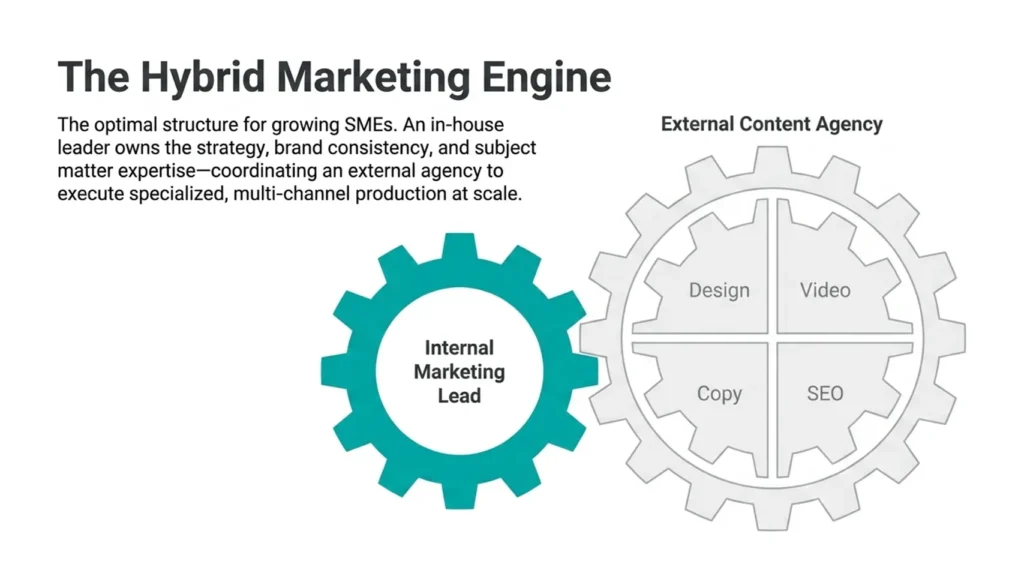
A hybrid approach tends to suit most Wigan SMEs best. Strategy, customer knowledge, brand approval and final sign-off stay in-house, where the deepest understanding of the business lives. Execution tasks such as repurposing content into different formats, managing email automation, handling paid promotion or running digital PR outreach get handed to specialists who do that work daily.
This split lets a business retain its authentic local voice while still benefiting from the consistency and technical skill that dedicated distribution work demands. It also protects against the classic “publish once and hope” problem, since a proper distribution system keeps content circulating and working long after the first post goes live.
Hybrid marketing arrangements are becoming increasingly common more broadly too, reflecting a wider shift toward blending internal ownership with external specialist support rather than picking one extreme.
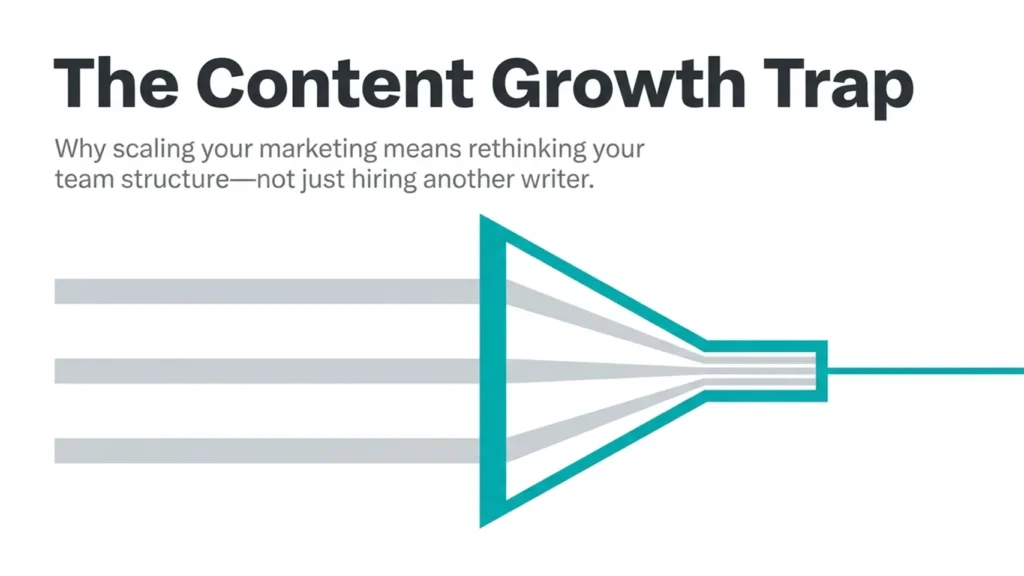
Hybrid Distribution Wins for Wigan Businesses
For most small and medium-sized businesses around Wigan and Greater Manchester, the strongest answer combines knowing which parts of the job need a local, trusted internal voice with knowing which parts benefit from specialist outside hands, rather than picking either outsourcing everything or doing it all internally.
A business that keeps its customer insight and approval process close, while bringing in support for the technical and time-consuming parts of distribution, tends to build steadier visibility over time. For a practical next step, review content distribution support built to help local content reach further without losing its authentic voice.
| Topic / Area | Key Finding | Business Impact | Why It Matters |
|---|---|---|---|
| Marketing capacity | 65% of SMEs cite time as biggest challenge | External execution protects consistency | Promotion is often delayed by operational priorities |
| Marketing budgets | 54% identify limited budgets as a major barrier | Focus spend on high-value channels | Avoids spreading small budgets across ineffective activity |
| Strategic planning | Only 46% report having a formal strategy | Define goals, audiences and measurement first | Distribution becomes purposeful rather than reactive |
| Performance measurement | 20% say they do not know what works | Track leads, enquiries and conversions | Prevents decisions based only on likes or reach |
| AI content governance | Low-value AI content at scale may breach policy | Maintain human review and original expertise | Protects search visibility, accuracy and brand trust |
Sources
Mums in Marketing SME Marketing Playbook coverage — SME time, budget, strategy and measurement findings.
SME Business News — UK SME marketing challenges research.
Google Search Central: Spam Policies — scaled-content-abuse guidance.
Google Search Central: Generative AI guidance — responsible use of generative AI in website content.
Frequently Asked Questions
How much does it cost to outsource content distribution for a Wigan small business?
Costs depend on the channels, workload and level of support required. A small business may start with a focused monthly package for repurposing, scheduling and reporting, rather than outsourcing everything. Compare the fee against staff time, missed opportunities and the specialist tools required.
Which content-distribution tasks should remain in-house?
Keep customer insight, commercial priorities, brand voice, technical accuracy and final approval in-house. Your team knows why customers choose you, the questions they ask and what makes local projects different. Outside specialists can then turn that knowledge into consistent promotion, outreach and campaign execution.
How long does outsourced content distribution take to generate enquiries?
Some signals, such as increased reach, email engagement or website visits, can appear within weeks. Reliable organic visibility and qualified enquiries usually take several months of consistent activity. Results depend on your offer, audience, website conversion journey, content quality and whether distribution reaches relevant prospects.
Can AI tools replace a content distribution agency or in-house marketer?
AI can speed up tasks such as drafting social variations, summarising articles and suggesting repurposing ideas, but it cannot replace customer knowledge, editorial judgement or relationship-led outreach. Use it to support a human-led process, with checks for accuracy, tone, originality and brand suitability.
What should Wigan businesses measure instead of likes and impressions?
Prioritise outcomes connected to commercial value: qualified website traffic, email sign-ups, enquiries, booked calls, quote requests, sales and the cost per lead. Engagement metrics still have a role, but mainly as diagnostic signals showing which topics, formats and channels deserve more investment.
