
Summary
Content distribution platforms should be chosen based on where your customers actually search, compare and make decisions, not simply on audience size or popularity. For Bolton businesses, the strongest approach is usually to build around an owned website, Google Business Profile and a small number of relevant channels, then measure success through enquiries, bookings and revenue rather than likes or impressions.
Key Takeaways
- Choosing the right content platform means matching audience intent, buying cycle, content format, local reach and measurable outcomes, not simply picking the platform with the biggest audience
- A strong owned content hub, usually the business website, should sit at the centre of any distribution plan, supported by a small number of channels that genuinely suit the audience
- A complete and accurate Google Business Profile remains one of the most powerful local visibility tools, since Google bases local results on relevance, distance and prominence
- AI search visibility now depends on the same helpful, well-structured content that supports normal search rankings, rather than separate technical tricks
- Common distribution mistakes, including copy-pasting identical posts everywhere and chasing vanity metrics, can quietly drain a marketing budget without producing real business results
Bolton business owners often ask the same question when planning their marketing: which platform should the business actually be on? The honest answer rarely involves picking the app with the most users. It involves working out where genuine customers make decisions, then building a presence there that can be measured and sustained.
Stop Chasing the Biggest Audience
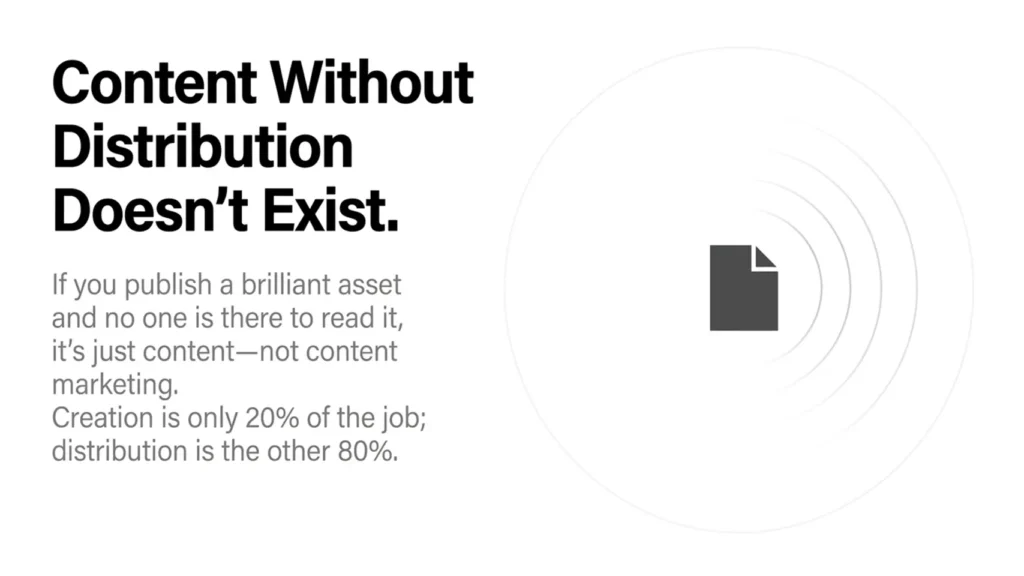
A platform with millions of UK users can still be the wrong choice for a particular business. LinkedIn reaches tens of millions of members across the UK, yet a local plumber chasing emergency callouts gains far more from a well-managed Google Business Profile than from a polished LinkedIn presence nobody in the trade actually searches. Audience size is a vanity figure unless that audience matches the people who buy from a specific business.
A bigger audience helps little when it has no reason to want what is on offer. A commercial insurance broker serving Greater Manchester businesses needs different visibility to an independent café on a Bolton high street, and both need something different again from a B2B software company selling nationally. Treating every platform as equally valuable wastes budget, time and creative energy that could go into the two or three channels that actually move the needle.
For a deeper look at how content mistakes creep into everyday marketing decisions, West Pro Media Services has written extensively about the pitfalls Bolton businesses fall into when building their content plans. The recurring theme is straightforward: platform choice should follow strategy, not fashion or follower counts.
Five Questions Before Picking Any Platform
Rather than guessing which app feels trendy this year, a more reliable method is to run every platform decision through a short set of questions before committing any time or budget.
- Who must see the content? This means defining location, sector, job role, age, needs and how close the audience already is to making a purchase.
- What job must the content do? Awareness, local discovery, lead generation, trust-building, recruitment or repeat custom all require different approaches.
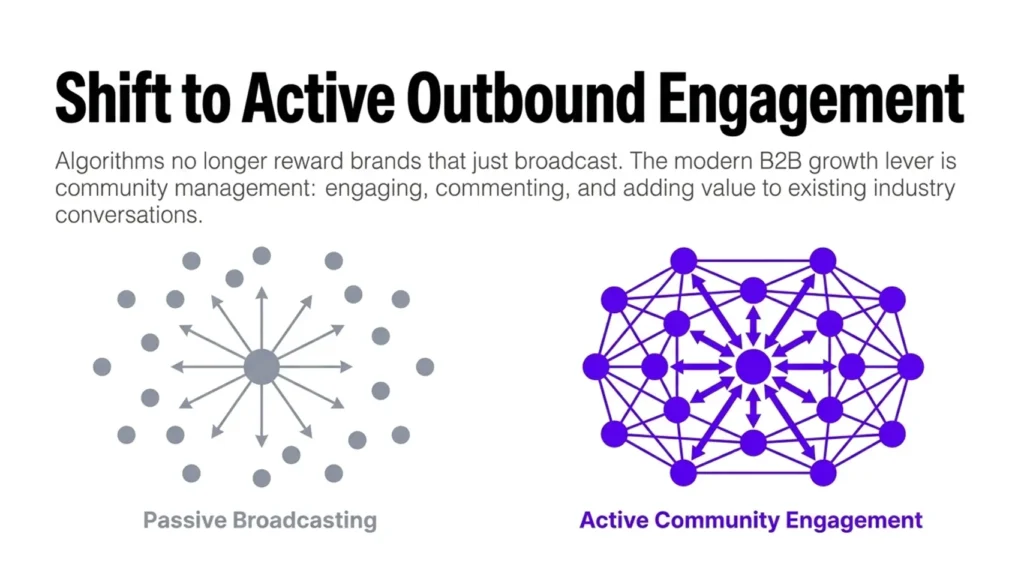
- Where does the audience make decisions? Some buyers search Google Maps for a nearby tradesperson; others scroll LinkedIn for expert commentary before approaching a supplier.
- What content can the business realistically sustain? Two well-run channels published consistently will always outperform six that go quiet after a fortnight.
- Can an outcome be measured beyond reach? Tracked links, enquiry forms, phone calls and booking completions matter far more than impressions or likes.
Running through these five questions typically narrows a long list of tempting platforms down to a manageable, focused set. That discipline alone prevents the common trap of spreading a small marketing team across too many fronts.
Matching Channels to Bolton Business Types
Every sector has a natural home for its content, shaped by how customers actually search and decide. A tradesperson thrives on local visibility and visual proof of work; a professional services firm thrives on demonstrated expertise built up over repeated touchpoints. Recognising this difference early saves months of trial and error.
A local tradesperson or home-improvement business typically does best with a strong service-page website, an optimised Google Business Profile, customer reviews, local Facebook or Instagram activity, and email follow-ups after a job is completed. A professional services firm, by contrast, tends to gain more from an insight-led website, LinkedIn commentary, email nurture sequences and occasional trade press coverage, since these buyers usually need several points of reassurance before making an enquiry. Independent retailers and hospitality venues favor Google Business Profile, Instagram, consented email or SMS updates, and local partnerships, because timeliness and proximity drive so many of their sales.
Building an Owned Content Hub First
Before spreading content across social platforms, most businesses benefit from establishing a website that acts as the permanent home for every piece of original material. Full guides, case studies, FAQs and service pages published there become a durable, searchable asset the business fully controls, unlike a social account that depends on a platform’s constantly shifting algorithm.
This owned hub also becomes the natural reference point for AI-assisted search tools, journalists, partners and customers who want the complete version of a story rather than a shortened social snippet. A Bolton accountancy firm publishing a full guide on quarterly tax changes, for example, gives itself a page that keeps working long after the original social post has scrolled out of view. Conversion paths, calls to action and analytics tracking all work better on a page the business owns outright.
Repackaging, Not Copy-Pasting, Across Channels
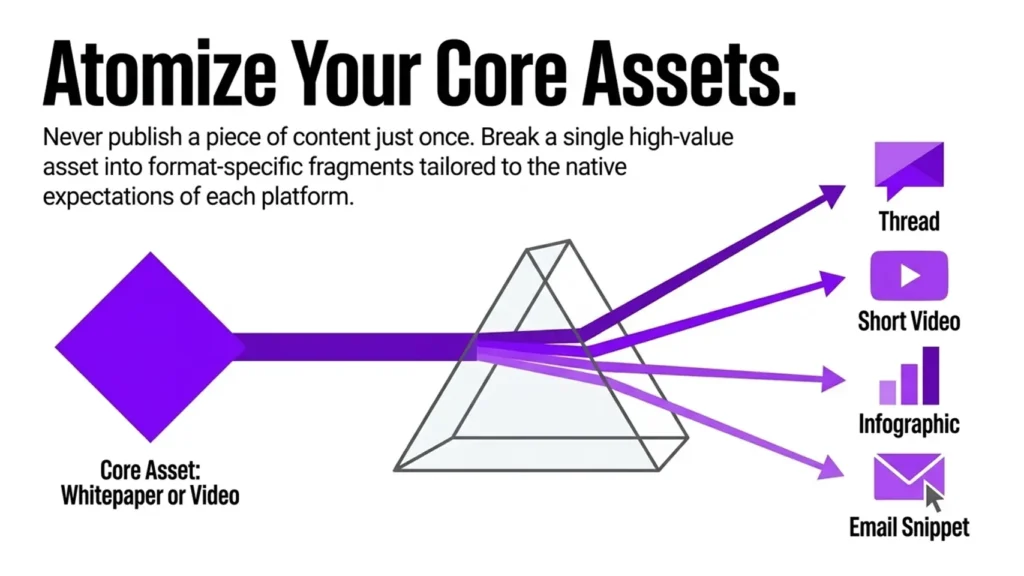
Publishing the same post word-for-word across every platform rarely performs well, because each channel’s audience expects a different tone, length and format. A single flagship guide can become several distinct pieces without losing its core message.
- A full guide on the website, complete with examples, sources and a clear next step.
- A short opinion-led post on LinkedIn highlighting one overlooked point for local business owners.
- A concise summary email sent to existing customers or subscribers.
- A short explainer video demonstrating a real scenario.
- A one-page checklist shared through a local business network or partner.
Reshaping content this way, rather than copying and pasting, respects how each audience actually consumes information and tends to produce noticeably better engagement.
Winning Local and AI Search Visibility
Local visibility and AI-powered search results increasingly work from the same foundations: helpful, accurate, well-structured content tied to a credible business presence. Businesses that treat these as two separate technical exercises often waste effort chasing tricks that no longer apply.
Why Google Business Profile Still Matters
Google bases local search results primarily on relevance, distance and prominence, which makes a complete and accurate Google Business Profile one of the simplest, highest-value tools available to a local firm. Since roughly half of all Google searches carry local intent, a profile with correct opening hours, categories, photos and a steady flow of genuine reviews gives a business a real chance of appearing where nearby customers are actively looking.
Practical upkeep matters more than most businesses expect. Verifying the listing, choosing accurate categories, posting regular updates, responding to reviews and questions, and keeping the business name free of keyword stuffing all contribute to how Google interprets the profile’s relevance and prominence. None of this requires technical expertise, only consistent attention.
What AI Overviews Really Reward
AI-powered search tools such as Google’s AI Overviews pull information from Google Business Profiles, structured website data, reviews and well-organised content. AI search visibility depends on the same helpful, reliable content that supports ordinary search rankings, without requiring special files or hidden code.
The practical implication is reassuring for smaller businesses without dedicated technical teams: publishing genuinely useful, first-hand, locally specific content on a fast, accessible website does more for AI visibility than any shortcut. Being cited in an AI Overview can bring visibility no paid placement replicates, while businesses that skip this groundwork risk becoming invisible to customers who now start their search with an AI assistant rather than a traditional search box.
Common Distribution Mistakes to Avoid
Several recurring habits quietly undermine content distribution efforts, even when the content itself is genuinely useful. Recognising them early saves wasted budget and frustration.
- Choosing a platform because it feels popular, rather than because the target audience actually uses it to make decisions.
- Publishing without a clear purpose, audience segment or call to action attached to each piece.
- Treating social media as the entire strategy, forgetting that these platforms are rented space subject to sudden algorithm changes.
- Copying one identical post across every channel instead of adapting tone, length and format.
- Judging success by impressions or likes instead of qualified enquiries, bookings or revenue.
- Inserting a town name into content purely for keyword purposes, rather than reflecting genuine local service or experience.
Avoiding these habits tends to matter more than any single clever tactic, since consistency and relevance compound over time in a way that scattered, inconsistent posting never does.
Measuring Success Beyond Reach
Reach and impressions feel satisfying to report, but they rarely tell a business owner anything about whether content is actually paying for itself. A more useful approach ties each piece of content to the specific stage of the customer decision-making process it supports.
Content built to raise local awareness should be judged on local reach, branded searches and relevant referral traffic, while content designed to generate leads should be judged on enquiries, quote requests and cost per qualified lead. Content supporting a sales team benefits from tracking case-study views and how often that content gets used in conversations with prospects, and content aimed at repeat custom should be measured through returning visitors, bookings and retention. Industry benchmarks around content marketing return commonly cite a five-to-one ratio, meaning five pounds returned for every pound invested, though every business should track its own figures using tagged links and clearly defined conversion events rather than relying on an industry average alone.
Fit the Platform, Not the Fashion
Selecting a content distribution platform comes down to matching the channel to the customer, not matching the business to the latest trend. A Bolton business that starts with a strong owned website, adds one or two channels genuinely suited to its audience, keeps local search details accurate, and measures outcomes beyond simple reach puts itself in a far stronger position than one chasing every new platform that gains attention.
The businesses that win long-term visibility tend to be the ones willing to say no to certain platforms so they can properly commit to the right ones. For a practical starting point, consider reviewing a content distribution strategy built around genuine audience fit rather than follower counts.
| Topic / Area | Key Finding | Business Impact | Why It Matters |
|---|---|---|---|
| Platform selection | Choose channels by customer intent, not audience size | Reduces wasted content spend and team effort | Buyers use different platforms for different decisions |
| Owned content hub | Website content remains searchable and fully controlled | Builds durable traffic, leads and conversion paths | Social reach can decline when algorithms change |
| Google Business Profile | Local rankings use relevance, distance and prominence | Improves visibility for high-intent nearby searches | Accurate details, reviews and categories influence discovery |
| AI search readiness | Core SEO practices also support AI search visibility | Avoids spending on unproven “AI optimisation” tactics | Helpful, original, indexable content remains the foundation |
| Measurement discipline | Track enquiries, bookings and revenue—not impressions | Connects distribution activity to commercial return | Reveals which channels deserve further investment |
Sources
Frequently Asked Questions
How many content distribution platforms should a small Bolton business use?
Most small businesses should begin with a website, an accurate Google Business Profile, and one or two channels their customers genuinely use. Add another platform only when you can publish useful content consistently and track a clear commercial outcome, such as enquiries or bookings.
Is Google Business Profile more important than social media for local businesses?
For businesses that rely on nearby customers, Google Business Profile is often the priority because it appears when people actively search for a service, location or opening hours. Google says local visibility is driven mainly by relevance, distance and prominence, including reviews and complete business information.
Which social media platform is best for a Bolton B2B business?
LinkedIn is usually the strongest starting point for B2B firms when decision-makers need evidence of expertise before contacting a supplier. Use it to share useful opinions, case studies and practical insight, then direct readers to detailed website pages designed to generate enquiries.
Do Bolton businesses need separate content for AI search results?
No. Google’s guidance is to follow the same foundations: create helpful, reliable, people-first content, ensure pages can be indexed, keep important information in text, and maintain accurate Business Profile details. There are no special AI-only files or markup requirements.
How can I tell whether content distribution is generating business?
Track actions that indicate genuine commercial intent: phone calls, contact-form submissions, quote requests, online bookings, email sign-ups and sales. Use tagged links for each channel, record lead source in your CRM or enquiry process, and compare qualified leads and revenue, not likes, over time.